Parkinson's care at home in the UK: a practical guide for families

Bruno Ceccolini
Co-founder · Care Consultant · Updated 11 September 2026
Key Takeaways
Parkinson's care at home is paid support in the person's own house, timed around medication and the hours when movement is hardest. A free council needs assessment does not need a perfect diagnosis letter first. The same carer, arriving at the same clock times, is usually worth more than a larger, looser rota.
The first quote a family in Walthamstow got was for a two-hour morning call, any time between eight and ten. That is a normal homecare window. For Parkinson's, it is often the wrong thing to buy.
If the tablet is due at 8.00, a carer who rings the bell at 9.40 has already missed what Parkinson's UK calls "on time": within 30 minutes of the prescribed time. Short delays can mean more rigidity and a higher chance of a fall. I'm not going to tell you what any particular dose should be. That sits with the GP or the Parkinson's nurse.
This guide is about Parkinson's care at home in the UK: what to arrange, what it tends to cost, and who might pay.
What is Parkinson's care at home?
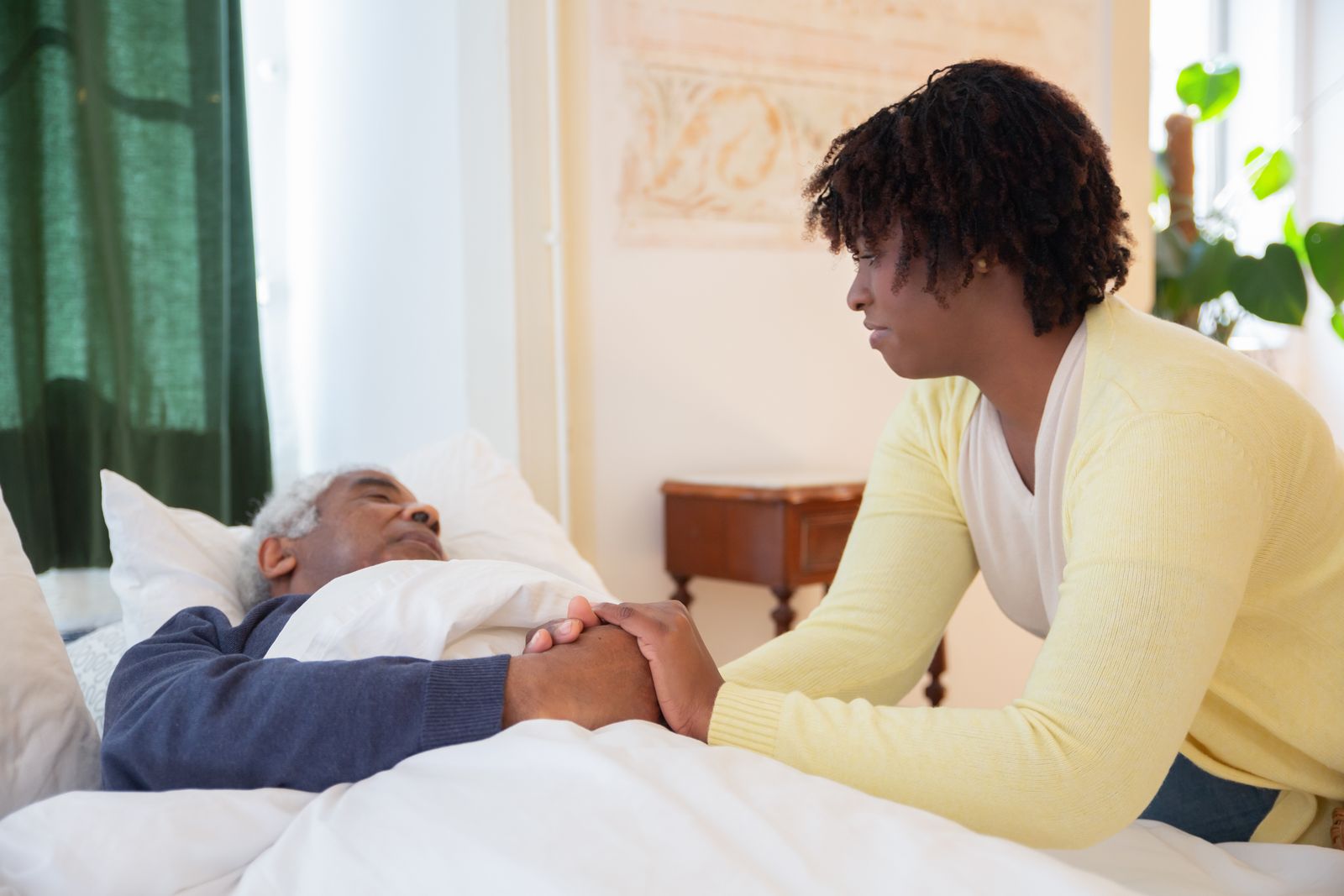
Parkinson's care at home is practical help in the person's own house: washing, meals, mobility, and medicine prompts, either as timed visiting calls or live-in support. Clinical treatment stays with the GP, neurologist, or Parkinson's nurse. A carer follows an agreed plan; they do not diagnose or change doses.
The NHS Parkinson's page describes tremor, slow movement, and stiff muscles, and it flags balance problems that raise the chance of a fall. Those are reasons families start looking at homecare. They are not a script for a carer to interpret as a diagnosis.
The clock is the care plan
Parkinson's UK's Get It On Time work exists because over half of people with Parkinson's do not get their medicines on time, every time, in hospital. Families describe the same drift at home. The excuse is usually a rota that treats 8am as "morning."
NICE guideline NG71 is plain about the risk of sudden changes to antiparkinsonian medicines. It expects people to have a continuing point of contact, which may be a Parkinson's disease nurse specialist, including home visits when that is appropriate. Families should also be told about care at home and respite.
If you are writing a plan, put the actual times on it. "Morning meds" is how a dose slides to 9.20.
Medicine prompts, not new prescriptions
A carer can prompt, or, where it is agreed and they are trained, help the person take medicines already prescribed. They should not alter a dose because swallowing was slow today. Ask the Parkinson's nurse how they want a late dose handled. Write that down. The carer in the house at 8.00 needs the same instruction as the daughter who covers Sunday.
Visiting hours, nights, or someone living in
The NHS says help at home from a paid carer often costs £15 to £30 an hour, depending on where you live and what is needed. London sits higher. Tight, timed slots sit higher still.
If you only opened this tab for that figure, there it is. The number that usually changes the maths is overnight cover.
Sleeping-night care means the carer is in the house and allowed to sleep, typically getting up a couple of times. Waking-night care means they stay awake. Many providers convert a sleeping night to a waking-night rate if they are disturbed more than two or three times. A wife in Rotherham found that out on the third invoice, after toilet trips that were never going to stay at two.
Live-in care is the usual step when nights have become unsafe, or when a spouse cannot keep doing round-the-clock cover. Weekly fees vary; our 2026 live-in cost guide walks through the ranges. If you are still choosing a model, domiciliary care vs live-in care is the clearer fork.
In Walthamstow they dropped the two-hour window and booked 45 minutes at 8am, 45 minutes at 1pm, and 45 minutes at 8pm. Monday to Friday, same person. The daughter still does weekends. Grab rails and a shower chair went in first, which is the unglamorous bit; our home safety guide covers those, and a Disabled Facilities Grant can fund bigger work through the council.
If you need a break yourself, respite care can be extra visiting hours or a short live-in block.
Who pays
Anyone can ask the council for a care needs assessment. Age UK notes that it is free, whatever your income or savings. Money comes later, in a financial assessment.
In England, capital over £23,250 usually means you pay the full social-care cost if the council agrees there is a need. The home you live in is normally left out of that test for care at home. Attendance Allowance is not means-tested. How you pay for home care covers self-funding, council help, and top-ups.
NHS Continuing Healthcare can fund a package at home, with no means test, if the integrated care board finds a "primary health need." It is available in England and Wales, not Northern Ireland or Scotland. Parkinson's UK is clear: a diagnosis of Parkinson's does not guarantee it. The Walthamstow Parkinson's nurse has started a CHC checklist. Honestly, I find the process slow even when a specialist is pushing it. I do not know what the ICB will decide. They do not know either.
Around 166,000 people in the UK have a Parkinson's diagnosis. Parkinson's UK thinks thousands more are still waiting for one. In 2025 they expected about 28,000 new diagnoses: someone every 20 minutes. Average age at diagnosis is 69. Over one in three of those people were still of working age when they got the letter.
How Match with Care can help
Match with Care is a managed introductory care marketplace. We interview carers, check enhanced DBS, right to work, and references, then show you profiles so you can meet someone before they have a key.
We are not a traditional domiciliary care agency, and we are not CQC-registered as a care provider. Introductory matching does not work that way.
What we can do is introduce a vetted carer who can take the 8am and 8pm slots you actually need, with a care advisor in the background if the match is wrong. Visiting matches often come in around 20 to 30 per cent below typical agency quotes, with carers keeping more of the fee.
If you want to talk it through, call +44 7962 657635 or email hello@matchwithcare.com.
Frequently asked
questions
Parkinson's care at home is paid support in the person's own house, from timed visiting calls to live-in cover. A carer can help with washing, meals, mobility, and medicine prompts. Diagnosis and treatment stay with the GP, neurologist, or Parkinson's nurse. A carer follows an agreed plan and does not change doses.
The NHS says help at home from a paid carer often costs £15 to £30 an hour, depending on location and what is needed. Tight, timed slots and London hours can sit higher. Sleeping-night and waking-night rates are usually quoted per night, and live-in care is quoted weekly.
Not automatically. NHS Continuing Healthcare in England and Wales is based on whether the person has a primary health need, not on the diagnosis. Parkinson's UK is clear that having Parkinson's does not guarantee funding. Ask a Parkinson's nurse, GP, or the integrated care board about a CHC checklist.
A carer can prompt, or, where it is agreed and they are trained, help the person take medicines already prescribed. They should not alter a dose. Ask the Parkinson's nurse how late or missed doses should be handled, and put the actual clock times in the care plan.
No. A local authority care needs assessment is free and does not require a perfect diagnosis letter. Practical help at home can start while you wait for neurology. Clinical decisions about medication still sit with the GP and specialist team.
Sources
5 sourcesParkinson's UK
View source“Parkinson's statistics”
2025
Parkinson's UK
View source“Time critical medication and Get It On Time campaign resources”
2025
NICE
View source“Parkinson's disease in adults”
2017
NHS
View source“Help at home from a paid carer”
2024
Parkinson's UK
View source“NHS continuing healthcare”
2026