Dementia care at home in the UK: a practical guide for families

Sunshine Calero
Senior Care Consultant · UK home care editorial · Updated 10 September 2026
Key Takeaways
Dementia care at home is paid support in the person's own house, from a few visiting hours to a live-in carer. You can request a council needs assessment without a formal diagnosis, and keeping the same familiar carer is usually worth more than a bigger rota.
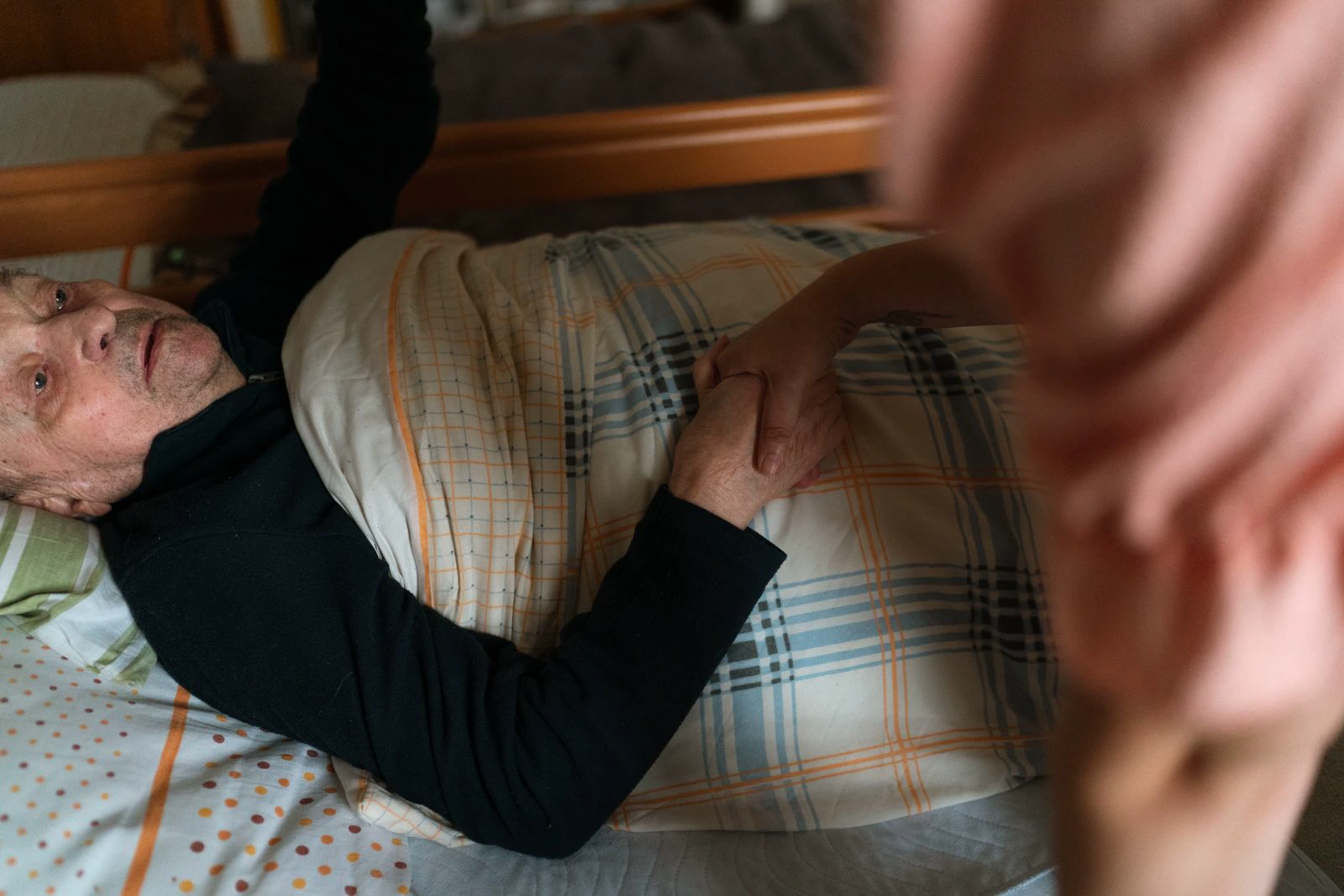
By 11.30 on a Tuesday in a Croydon kitchen, the same carer who helped Mum shower is sitting with her while she eats a cheese sandwich. Radio 2 is on. That is what dementia care at home looks like when it is working.
Getting there took a GP letter that sat in a tray, and a daughter who stopped pretending the missed bills were "just a phase."
This guide is for UK families arranging that support: what the options are, what they tend to cost, and what you can do while you wait for a memory clinic appointment.
What is dementia care at home?
Dementia care at home is practical help delivered in the person's own house so they can stay in rooms they already know. It might be a morning visit for washing and a hot meal, or a live-in carer who stays overnight. Diagnosis and treatment stay with the GP and specialist teams; a carer follows an agreed plan, they do not replace a clinician.
The Alzheimer's Society estimates 982,000 people in the UK are living with dementia, with more than a third still without a diagnosis. Plenty of households are already living with the symptoms before anyone has a letter.
You do not have to wait for the diagnosis letter
September is World Alzheimer's Month. The 2026 theme is earlier diagnosis, which will sound pointed if you have already spent half a year on hold.
In early September 2026 the Alzheimer's Society published a survey of more than 1,000 carers. Nearly half (45%) waited more than six months after first seeking help. Forty-six per cent said the wait had affected their work. More than a third had already dipped into savings.
You can still ask adult social services for a care needs assessment. Age UK notes that the assessment is free, and you are entitled to one whatever your income or savings. Money is a later conversation.
The NHS page on dementia, social services and the NHS sets out what councils can arrange: paid carers for washing and dressing, equipment, meals, day centres. If the person owns the home they live in, that property is usually left out of the capital test for care at home. In England, savings above £23,250 generally mean you pay the full social-care cost.
A GP can advise on a memory assessment referral. I will not tell you what a particular symptom "means." That is their job.
Visiting hours or someone living in
For many families the first package is visiting care: two hours in the morning, sometimes a teatime call. The NHS says help at home from a paid carer often costs £15 to £30 an hour, depending on where you live and what is needed. Specialist dementia hours in London can sit higher.
Live-in care is the usual next step when nights have become unsafe, or when a spouse cannot keep doing round-the-clock cover. Weekly fees vary. Our 2026 live-in cost guide walks through the ranges. If you are choosing a model, domiciliary care vs live-in care is the clearer fork.
Attendance Allowance can help with the bill. It is not means-tested. NHS Continuing Healthcare is a separate route, based on whether needs are primarily health needs; a GP or community nurse can start that checklist. Do not assume you will get it.
The same face, most days
NICE's dementia guideline asks staff to maximise continuity and consistency of care. The related quality standard says people with dementia should have a single named practitioner to coordinate their care.
That is the clinical wording. In a kitchen it means Mum should not have to re-learn a stranger's name at 8am several times a week. Rotas that send six different people through one bathroom are easier to staff. They are harder on the person.
Ask, before you sign anything: who actually turns up on Thursday, and what happens when they are ill?
Two households, two different packages
A daughter in Croydon arranged 10am to 2pm visiting care for her mother while they waited for the memory clinic. The carer does personal care, a hot lunch, and a walk to the precinct if Mum is willing. The daughter still covers evenings and weekends. It is not enough forever. It did stop the 11pm panic about uneaten food.
A couple in Islington added a live-in carer after Dad started opening the front door after midnight. His wife was exhausted, and honest about how snappy she had become. The carer sleeps in the spare room, prompts medication at the times the community nurse already set, and sits with him in the night so his wife can sleep. Nobody has decided a care home is inevitable. They have not taken it off the table either.
If you need a break yourself, respite care can be extra visiting hours or a short live-in block. Company is part of the work; see companionship care.
How Match with Care can help
Match with Care is a managed introductory care marketplace. We interview carers, check enhanced DBS, right to work, and references, then introduce you to people you can meet before anyone has a key.
We are not a traditional domiciliary care agency, and we are not CQC-registered as a care provider. Introductory matching does not work that way. What we can do for dementia care at home is put continuity first: the same vetted carer for the hours you agree, with a care advisor in the background if the match needs adjusting.
Families usually come to us when council hours are too short, or when they want to choose the person rather than accept whoever is on the rota. Visiting matches often come in around 20 to 30% below typical agency quotes, with carers keeping more of the fee. That only works if the person in front of Mum is the right person.
If you want to talk it through, call +44 7962 657635 or email hello@matchwithcare.com. For the money side, how to pay for home care in the UK sets out self-funding, council help, and top-ups.
What I cannot tell you
Alzheimer's Society wants a national 18-week standard from GP referral to diagnosis, care plan, and treatment. I do not know whether ministers will agree this autumn. I do not know what that would change for your Tuesday.
Care at home does not have to wait for the letter.
Frequently asked
questions
Yes. A local authority care needs assessment does not require a confirmed dementia diagnosis. Ask adult social services for an assessment, and speak to the GP about a memory clinic referral. Practical help at home can start while you wait.
The NHS says help at home from a paid carer often costs £15 to £30 an hour, depending on location and what is needed. Specialist visiting hours in London can sit higher. Live-in packages are usually quoted weekly and vary with overnight need and complexity.
Start with a free council needs assessment. A later financial assessment decides whether the council contributes. In England, capital over £23,250 usually means you pay the full social-care cost. Attendance Allowance is not means-tested. NHS Continuing Healthcare is separate and based on health needs.
No. You can use a CQC-registered homecare agency, or arrange a private carer, sometimes through an introductory marketplace. Introductory services are not registered with the CQC as care providers because they introduce carers rather than directing personal care day to day. Ask who employs the carer and who covers sickness.
Familiar faces and routines reduce distress and help small changes get noticed early. NICE asks services to maximise continuity, and its dementia quality standard expects a single named practitioner to coordinate care. Ask who will actually turn up on a Thursday.
Sources
5 sourcesAlzheimer's Society
View source“'Our lives are on hold': Dementia diagnosis delays hit carers' jobs, finances and family life”
2026
NHS
View source“Dementia, social services and the NHS”
2024
NHS
View source“Help at home from a paid carer”
2024
Age UK
View source“Home help and care for older people”
2026
NICE
View source“Quality statement 4: Coordinating care”
2019