How much does companion care cost?
Discover how much companion care costs so you can choose the right support for your loved one.
Our carers have helped 9,000+ families.

Carers undergo interviews and background checks

Typical companion care costs in the UK
Companion care is usually charged hourly, with rates typically around £20–£25 per hour depending on location, visit length, and the level of support.
What affects the cost?
- Visit length and frequency
- Location (London and the South East are usually higher)
- Level of support, including appointments or routine support outside the home
What a companion carer can help with
- Companionship and conversation
- Emotional reassurance
- Support with routines
- Meal companionship
- Light meal preparation
- Friendly check-ins
- Outings and walks
- Appointments
- Transport and appointments
- Shopping and errands
- Social activities
- Hobbies and interests
- Light housework
- Medication prompts
- Help with confidence at home
- Family updates
What's included in companion care
Consistent companionship
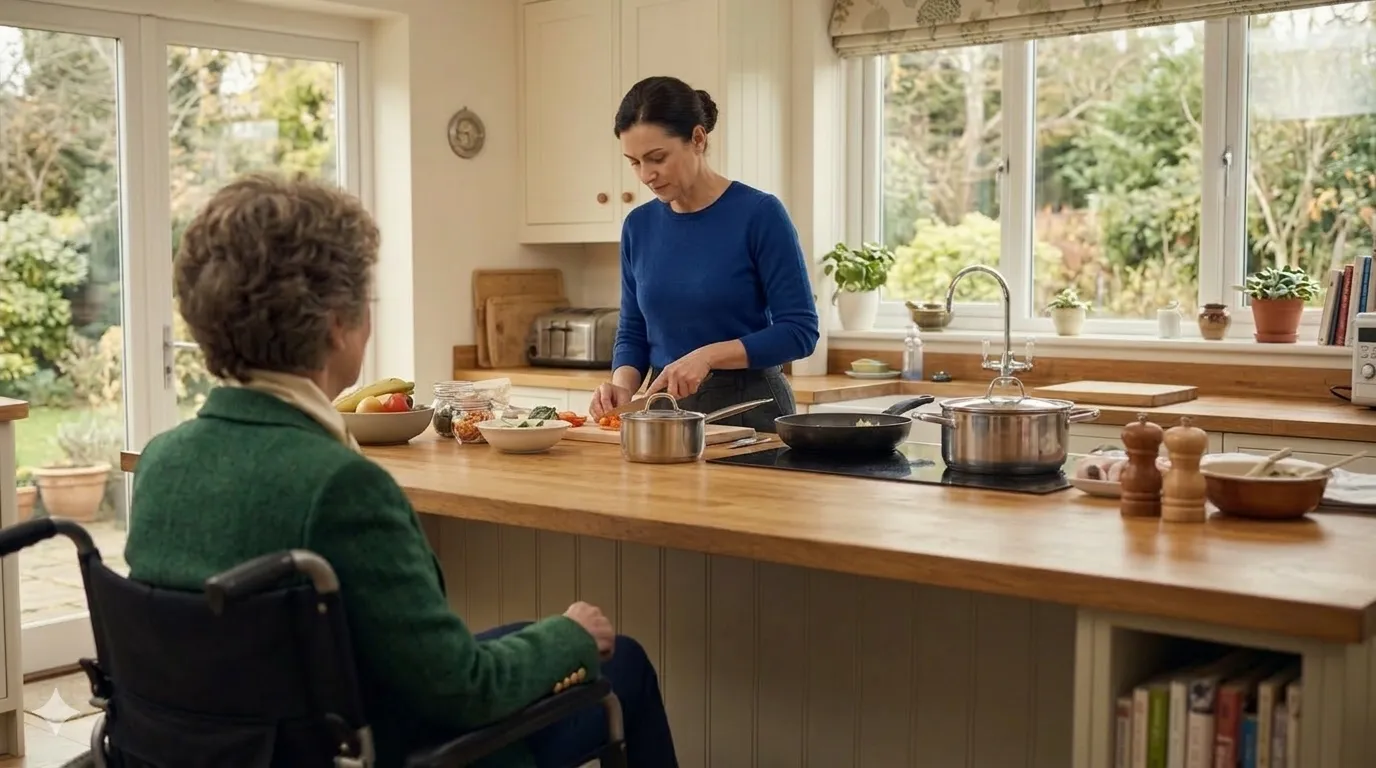
Regular visits with the same dedicated carer where possible, helping your loved one build trust and routine.
Support with everyday routines
Carers can help with light routines, meal companionship, and practical day-to-day support at home.
Outings and appointments
Companion carers can accompany your loved one to appointments, walks, and social activities to keep life active and connected.

Family reassurance
Families get peace of mind from reliable check-ins and updates, knowing someone trusted is regularly present.
Companion care vs care home costs
Companion care is often a lower-cost option when personal care is limited and the main need is social connection and reassurance. Because it is hourly, families can start small and increase support only when needed, including stepping up to visiting care or live-in care.

Paying & funding options for companion care
Companion care is most commonly self-funded, though eligible older adults can put Attendance Allowance (£76.70 or £114.60/week) toward visits or spend a council Direct Payment where social inclusion or supervision is in the care plan.
Attendance Allowance (non-means-tested)
Pays £76.70 or £114.60 per week in 2026/27 for adults over State Pension age needing regular supervision or help, with no savings test.
Direct Payments & weekly billing
Where companion or supervision hours sit inside an agreed council care plan, families can pay via their Direct Payment card using our itemised weekly invoices.
Meet companion carers
Questions about costs
Companion care is usually charged hourly, typically around £20–£25 per hour depending on the support needed and carer experience.
Companion care focuses on social connection, reassurance, and day-to-day support such as conversation, outings, meals, and light routines that help someone stay independent.
Companion care is usually delivered as visiting care, with a stronger focus on emotional wellbeing and routine rather than hands-on personal care.
Companion care can often start within a few days, depending on availability and the times you need support.
Yes. We introduce one consistent dedicated carer so families can build a long-term relationship instead of a rotating roster, with additional support arranged when clinically required.
No. Match with Care is an introductory marketplace that connects families with vetted self-employed carers. We help with introductions, vetting, care agreements, visit logging, invoicing and payments. We do not employ carers, supervise day-to-day care in the home, or hold CQC registration as a care provider. You choose the carer and agree the care with them directly.
A private carer is a self-employed carer you arrange directly, rather than through a managed agency rota. They set their own rate, you choose them and agree the visits with them, and it is usually the same person each time rather than a changing rota of different faces.
Search by postcode or area to see carers who cover your location, with their rates, experience and the support they offer. Browse profiles, speak with our team, and arrange introductions so you can meet carers before you decide.
Every carer we introduce is interviewed by our team, right-to-work verified, enhanced DBS-checked, and professional reference-checked before introduction. You should still meet the carer and satisfy yourself before care begins.
Yes, and we recommend it. Families usually speak with or meet carers by video or in person before making a decision, so you can make sure the arrangement feels right.
Tell us your timescale and needs, often care can begin within a few days, and urgent arrangements such as hospital discharge can sometimes start sooner if a suitable carer is available. Asking is free and carries no obligation.
No, and neither is Match with Care. You agree visits with a self-employed carer under a written care agreement. They invoice for the care provided, handle their own tax and National Insurance, and you pay via our weekly itemised invoices rather than running household PAYE payroll.
Carers are self-employed and responsible for their own tax and insurance. We require carers to hold public liability insurance for the care they provide. Your household insurance may also be relevant; check with your insurer whether care workers in the home affect your policy.
Yes. After a free Care Needs Assessment and means test, eligible families can take their personal budget as a Direct Payment, pay weekly using a Direct Payment card or dedicated account, and submit our itemised invoices for council audit. Families can also use Attendance Allowance (£76.70 or £114.60/week) alongside private hours.
Tell us as soon as you can. We help introduce another vetted carer from our network so care can continue with as little disruption as possible; though cover isn’t guaranteed like a managed agency rota. For planned leave, agree dates early so we can arrange cover options you approve.
Yes. There is no lock-in joining fee. Two weeks’ notice is the usual standard for ending or pausing ongoing care; notice fees do not apply for hospital admission or other medical emergencies. If a carer isn’t the right fit, we’ll help introduce alternatives.
Match with Care introduces carers across the UK, with strongest coverage in London and major towns and cities. Search your postcode or area to see who covers your location, or speak with our team if you need help finding a match.
Browse carers near you or send an enquiry. We’ll learn your needs, suggest suitable carers, and arrange introductions so you can meet them before care begins.
Still have questions?
Call our care advisors or send an enquiry. We’ll guide you through the next steps.