Future-Proofing Homes for Ageing in Place

Bruno Ceccolini
Co-founder · Care Consultant · Updated 10 June 2026
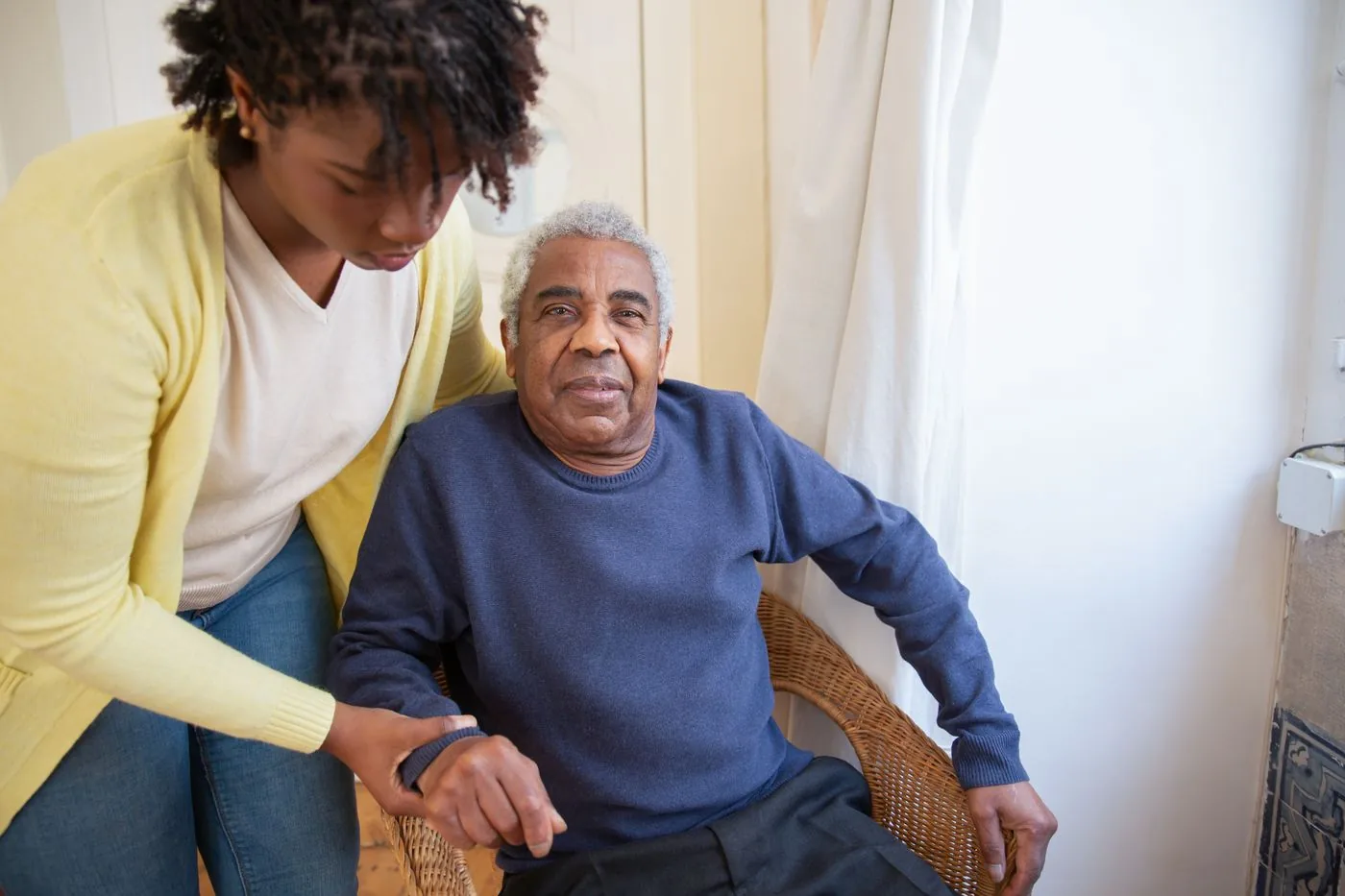
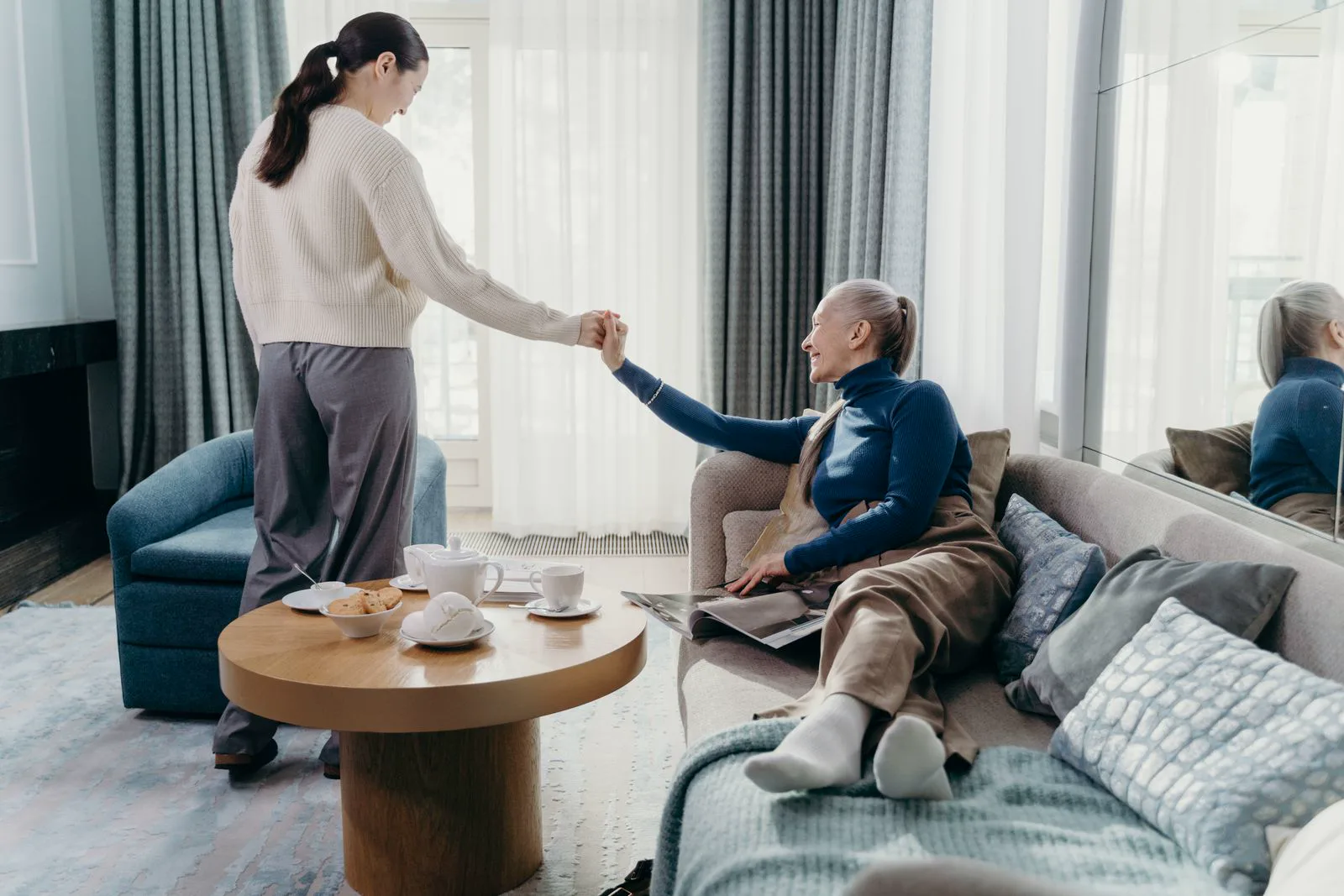
The Office for National Statistics projects the UK population aged 65 and over will grow substantially through 2050 as more people live longer. While increased longevity is positive news for older residents and their families, it also calls for future-proofing homes to ensure they are safe, comfortable, and appealing. Future-proofing is also an excellent way to ease the work of carers who assist others in their homes.
Older People Prefer to Remain in Their Homes
Various surveys indicate that up to 96% of older people wish to remain living in their own homes rather than in care facilities or in a family member's home. Some cannot afford the cost of living in a care home, but a significant percentage prefer to remain in their homes because doing so allows them to maintain social connections and remain active in familiar surroundings. They also value autonomy – the ability to set their own schedules, retain control over meals and routines, and remain close to sources of support. However, most need to make significant changes to their homes. Two in three people (66%) think they would have issues moving around their current homes and carrying out everyday tasks without major adaptations to their properties if they developed a health issue or serious injury.
Government Support for Ageing in Place
The UK government has committed £723 million for the Disabled Facilities Grant in 2026–27, stressing that this fund helps older and disabled people adapt their homes so they can live safely and independently. The DFG supported around 60,000 people in 2025, helping them stay out of hospital and live comfortably in their own homes. The funds are intended to help older people make practical changes to their homes, ranging from smart assistive technology to lifts. Home adaptations play a significant role in supporting the NHS by preventing falls and other accidents at home, reducing hospital admissions, speeding up hospital discharges, and easing pressure on the health service. Once assessments are complete, the next step is to obtain the required permissions and apply for relevant grants. In England, the Disabled Facilities Grant can fund up to £30,000 of eligible work.
The Importance of Home Assessment
The first step towards making homes safer is conducting a needs assessment that covers areas such as mobility, cognitive decline, and medical needs. Families can request a formal assessment from social services at their local council. Typically, a social worker, care assessor, and/or occupational therapist takes charge of identifying home adaptations for people with mobility and other limitations. A private occupational therapist can also assess practical risks and recommend useful changes. During the assessment stage, the professional will observe how the older person manages their everyday tasks, including showering, dressing, moving through their home, and taking their medications. They can then determine whether essential living can be moved to one floor, assess whether entrances are safe and accessible, and identify if the home has enough space for a live-in carer's bedroom. The assessment also involves checking fall hazards, lighting, flooring, and stairs to prevent falls and other accidents.
Key Adaptations for Live-In Care
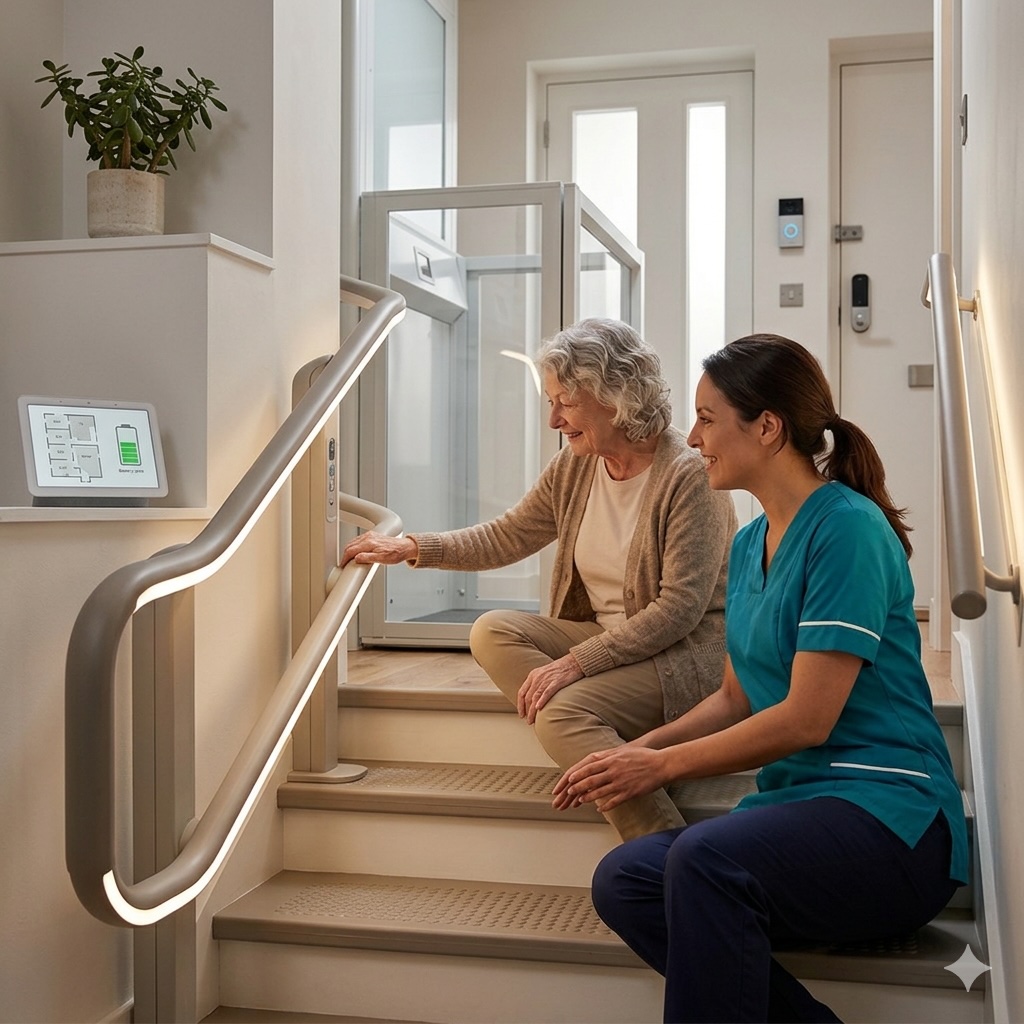
The assessor may suggest various changes, many of them aimed at improving accessibility and mobility. If floors are uneven, homeowners utilise wheelchairs, or entryways have steps, key changes include installing ramps, stairlifts, or through-floor lifts. In some cases, residents may benefit from converting rooms (for instance, the living room may be transformed into a bedroom to avoid having to navigate steps). Another common modification is carried out in bathrooms. Bathtubs can pose a major fall-and-slip risk, and in many cases, they may need to be replaced with walk-in showers or wet rooms. Additional features that can boost support and security include grab rails and non-slip flooring. For ergonomics, raised toilets and accessible sinks can make it easier to complete daily hygiene tasks. A third area that often benefits from renovation is the kitchen. Burns, falls, and reach-related injuries (such as shoulder tears and inflammation) can be reduced through safe appliance layouts, induction hobs, and easy-reach cabinets.
Embracing Smart Technology
Many small but vital technological changes can help older adults feel safer at home. For instance, voice-activated assistants such as Alexa or Google Nest integrate with emergency response systems, medical alerts, and lighting controls. Residents can ask their voice assistant to call a family member or friend and turn on a light without getting up. Another affordable yet vital aid is an automated lighting system, which activates when motion is detected. Placing these lights in bathrooms, hallways, and stairwells can help prevent nighttime falls. Newer systems adjust brightness based on the time of day, helping to avoid glare and eye strain. Smart doorbells and security cameras are key, as they allow homeowners to see who is at their door before deciding whether to open it. Water leak detectors and automatic stove shut-off systems, meanwhile, automatically turn off water or gas if leaks or cooking issues are detected. These devices, when paired with fall-detection wearables and medication-management systems, reduce the risk of injuries and medical errors, respectively.
Caring for Caregivers
If caregivers sleep in their clients' homes, ensuring they have comfortable bedrooms with a quality mattress, silence, darkness, and the right temperature for rest is vital. However, supporting carers goes beyond bedroom renovations. It extends to ergonomics—ensuring they can work in well-illuminated, uncluttered, well-ventilated spaces that also offer thermal and acoustic comfort. Furniture specifically designed for older people (including mobile chairs with locking wheels, electric armchairs, and electric adjustable beds) can all make carers' work easier, faster, and safer.
Future-proofing a home for later life begins with a professional assessment. By speaking with older people and observing their daily lives and needs, assessors can recommend adaptations that will most benefit residents. Recommended changes may range from bathroom remodelling to installing motion-sensor lights and purchasing furniture that improves ergonomics for residents and carers alike.
Frequently asked
questions
Ageing in place means adapting a home so an older person can live safely and independently there for longer, rather than moving to residential care. It often combines home modifications, technology, and care support.
In England, the Disabled Facilities Grant can fund adaptations such as ramps, stairlifts, and wet rooms for eligible households. Councils also carry out care needs and occupational therapy assessments.
A spare bedroom for the carer, safe bathroom access, good lighting, fall-proof flooring, and clear pathways are usually the priorities. An occupational therapist can recommend changes tailored to mobility and cognition.
Earlier is better — ideally before a crisis or hospital discharge. Small changes to lighting, clutter, and bathroom safety often prevent falls and make later care arrangements easier.
Sources
5 sourcesONS
View source“National population projections”
2026
GOV.UK
View source“Disabled Facilities Grant”
2024
Age UK
View source“How to make your home safer and more comfortable”
2024
Centre for Ageing Better
View source“People deprived of accessible home opportunity”
2023
NHS
View source“Getting a care needs assessment”
2024