Making the Most of Sunny Days: Activities for Elderly Loved Ones

Sunshine Calero
Senior Care Consultant · UK home care editorial
As the days become longer and warmer, it brings a valuable opportunity for older adults to enjoy fresh air, gentle activity, and meaningful social connection. The NHS recommends older adults stay active with regular movement — even light activity can support mood and mobility. Whether someone is living independently with support, attending day services, or receiving full-time care at home, the summer months can be a positive time for wellbeing and engagement.
At Match with Care, we understand how important it is to support both physical and emotional health through every stage of later life. From outdoor activities and social clubs to meaningful in-home stimulation for those who are less mobile, there are many ways to make the most of the season.
Older adults are particularly vulnerable to dehydration in warm weather because thirst cues can weaken with age — the NHS suggests aiming for 6–8 glasses of fluid a day, more in heat. The NHS sun safety guidance recommends shade, sunscreen, and covering up between 11am and 3pm when UV is strongest. For mobility, NHS physical activity guidance for older adults recommends staying active every day, even if that means seated gardening or short walks.
For families arranging cover, a few hours of visiting support in summer — often £28–£35/hr in the South East — can make outings safer without committing to full-time care.
Getting outdoors: fresh air and gentle exercise
Spending time outdoors can have a positive impact on mood, mobility, and overall health. Even light activity can make a real difference.
Some simple outdoor ideas include:
- Gentle walks in local parks or gardens, with rest breaks as needed
- Seated exercise outdoors, such as light stretching in the fresh air
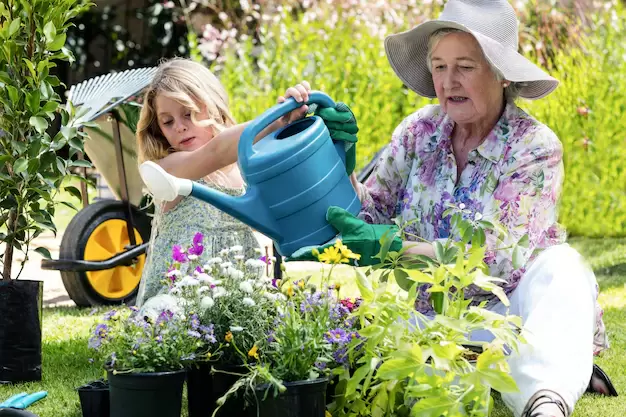
- Gardening activities, including planting, watering, or simply enjoying nature
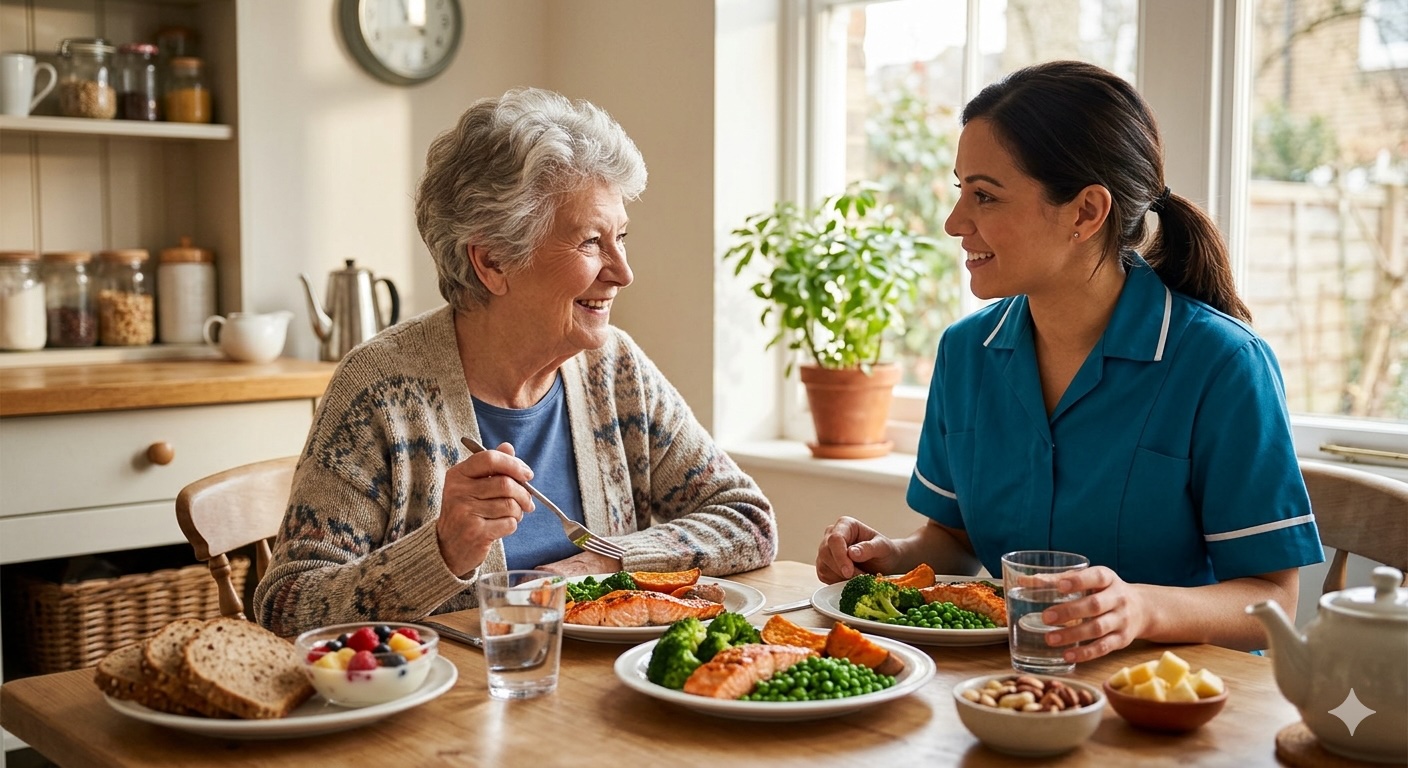
- Outdoor tea times or picnics, offering both nutrition and social interaction
A note on sun safety
Sun safety is important during warmer weather. Encouraging hydration, shade, sunscreen, and hats helps ensure comfort and wellbeing during this time of the year.
Social activities for seniors: staying connected
Social engagement is key to maintaining emotional wellbeing and reducing isolation in later life. Warmer weather often makes it easier and more enjoyable to take part in community life.
Popular social opportunities include:
- Day centres and lunch clubs offering structured activities and companionship
- Community coffee mornings for relaxed social interaction
- Arts, crafts, and hobby groups such as knitting or painting
- Music and reminiscence sessions that encourage conversation and memory recall
- Intergenerational activities, connecting older adults with younger generations
These activities help promote confidence, routine, and a sense of belonging in the community.
Supporting housebound or bed-bound clients in warmer weather
Not all older adults are able to go outdoors, but there are still many meaningful ways to enjoy the benefits of the warmer months from home. With thoughtful, person-centred support, warmer days can still feel uplifting and meaningful within the home.
Bring the season indoors
Small environmental changes can have a noticeable impact on mood and comfort, helping to create a brighter, more seasonal atmosphere. For example:
- Opening windows safely for fresh air
- Positioning a bed or chair near natural light
- Adding seasonal touches such as flowers or houseplants
- Using gentle background sounds like birdsong or nature recordings
Gentle, person-centred stimulation
For those with limited mobility, daily stimulation supports emotional and cognitive wellbeing. A flexible approach allows carers to tailor activities to personal preferences, such as:
- Listening to favourite music or personalised playlists
- Reading aloud from books, newspapers, or magazines
- Looking through photographs or memory boxes to encourage reminiscence
- Gentle sensory activities (soft fabrics, calming scents, textured objects)
- Hand massage or comforting touch therapy (where appropriate)
These moments of engagement can be especially meaningful for individuals living with dementia, helping to reduce anxiety and encourage familiarity.
“Small moments” still matter
Even when leaving the home isn’t possible, daily life can still feel varied and connected. Often, it’s the familiar routines that make the biggest difference:
- Sharing conversation over a cup of tea
- Watching a favourite programme together
- Spending time on activities that reflect personal interests and life history
These quieter moments can be just as meaningful as larger social activities.
Practical comfort in hot weather
Warmer weather can increase risk of dehydration and overheating. Supportive measures can include:
- Encouraging frequent fluids (and offering drinks proactively)
- Using light, appropriate bedding and clothing
- Keeping rooms well ventilated
- Paying close attention to comfort and positioning for those in bed or seated for long periods
A season for wellbeing
As the warmer months arrive, small, thoughtful adjustments can make a real difference to how each day feels — whether that’s time outdoors, joining community activities, or finding comfort and stimulation at home.
If you’d like to find out more about our services or discuss support for a loved one, please get in touch with our team to enquire.
Frequently asked
questions
Gentle walks with rest breaks, seated stretching outdoors, light gardening, and social picnics can all help. Choose cooler times of day, encourage hydration, and use shade, sunscreen, and hats.
Music, reminiscence, sensory activities, puzzles, and video calls with family can work well. Match activities to energy levels and cognitive ability rather than pushing for something too ambitious.
Thirst cues can weaken with age, so dehydration is easier to miss. The NHS recommends regular drinks throughout the day, especially in heat, to reduce dizziness, confusion, and urinary infections.
Yes. Carers can accompany outings, support safe routines at home, prepare light meals, and provide companionship that makes activities more likely to happen consistently.
Sources
5 sourcesNHS
View source“Physical activity guidelines for older adults”
2024
NHS
View source“Sun safety”
2024
NHS
View source“Dehydration”
2024
Alzheimer's Society
View source“Types of replacement care”
2024
NHS
View source“Loneliness in older people”
2024